

- What Is a Cavity Wall?
- Why Were Cavity Walls Introduced?
- How Can You Tell If Your Property Has a Cavity Wall?
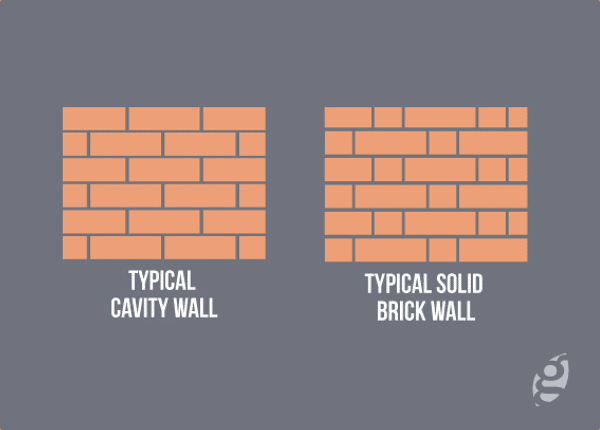
- Look at the Brickwork Pattern
- Check the Wall Thickness
- What Are Wall Ties and Why Do They Matter?
- What Is Cavity Wall Insulation?
- Types of Cavity Wall Insulation Materials
- Fibreglass Insulation
- Polystyrene Bead Insulation
- Rigid Insulation (New Builds)
- What Is a Solid Wall?
- How Are Solid Walls Insulated?
- Internal Wall Insulation (IWI)
- External Wall Insulation (EWI)
- What Is External Wall Insulation (EWI)?
- Is External Wall Insulation Better Than Cavity Wall Insulation?
- Is Cavity Wall Insulation Right for My Home?
- Can You Install External Wall Insulation on a Cavity Wall?
- Choosing the Right Wall Insulation for Your Property
- Ready to Improve Your Home’s Energy Efficiency?
- Frequently Asked Questions About Cavity Walls and Insulation
- Do all homes have cavity walls?
- Can cavity wall insulation cause damp?
- How long does cavity wall insulation last?
- Is cavity wall insulation worth it?
- Can I have cavity wall insulation removed?
- What’s the difference between cavity wall insulation and external wall insulation?
- Can I install external wall insulation if I already have cavity wall insulation?
- Do I need planning permission for external wall insulation?
- How do I know which insulation option is right for my home?
If you’ve ever dealt with cold rooms, damp patches or eye-watering energy bills, there’s a good chance your walls are part of the problem.
Back in early 20th-century Britain, homeowners and builders were fighting a constant battle against damp walls and soggy carpets. Solid brick walls looked sturdy but moisture had an annoying habit of finding its way straight through them.The solution to this debacle was cavity wall, a simple but game-changing construction method that transformed how homes were built across the UK.
Today, cavity walls are incredibly common and understanding whether your home has one can make a huge difference to comfort, efficiency and running costs.
Let’s break it down.
What Is a Cavity Wall?
A cavity wall is made up of two layers of brickwork, known as “skins”, with a gap between them, usually around 20–100mm wide.
That gap acts as a barrier. It stops moisture from travelling from the outside wall to the inside of your home, which dramatically reduces damp problems compared to older solid walls.
Because of this design, cavity walls are thicker than solid brick walls and that thickness is one of the easiest ways to identify them.
Why Were Cavity Walls Introduced?
Cavity walls became popular in the early 1900s as builders looked for better ways to:
-
Prevent damp penetration
-
Improve durability
-
Increase comfort inside homes
They quickly replaced solid brick construction as the go-to method and today the majority of UK homes built after the 1920s have cavity walls.
How Can You Tell If Your Property Has a Cavity Wall?
There are a few tell-tale signs you can check yourself.
Look at the Brickwork Pattern
-
Stretcher bond usually indicates a cavity wall
-
A mix of short “header” bricks and long “stretcher” bricks often points to a solid wall
Check the Wall Thickness
-
External walls over 260mm thick are likely cavity walls
-
Thinner walls are often solid brick
These checks are a good guide but they’re not foolproof. A professional survey is always the safest way to confirm your wall type.
What Are Wall Ties and Why Do They Matter?
The two brick skins in a cavity wall are held together using metal wall ties.
Older properties used iron, mild steel or copper ties, which were later found to corrode over time. By the 1960s, wall tie corrosion became a known issue, leading to cracking, bulging and even structural instability.
Modern cavity walls use stainless steel wall ties, which are far more resistant to corrosion and help keep the structure sound for decades.
What Is Cavity Wall Insulation?
Cavity wall insulation involves filling the gap between the two brick skins with insulating material to reduce heat loss.
It’s one of the most cost-effective energy efficiency upgrades available:
-
Installation usually takes just a few hours
-
Costs are typically in the hundreds, not thousands
-
It can significantly reduce heat loss and energy bills
For homes with suitable cavities, it’s often the first insulation upgrade recommended.
Types of Cavity Wall Insulation Materials
Not all cavity wall insulation is the same. The right choice depends on your property and budget.
Fibreglass Insulation
-
Most common retrofit option
-
Cost-effective
-
Good thermal performance
Polystyrene Bead Insulation
-
Higher insulating capability
-
More expensive than fibreglass
-
Often used where better performance is needed
Rigid Insulation (New Builds)
-
Installed during construction
-
Already present in most modern homes
The amount of insulation that can be installed depends entirely on the width and condition of the cavity.
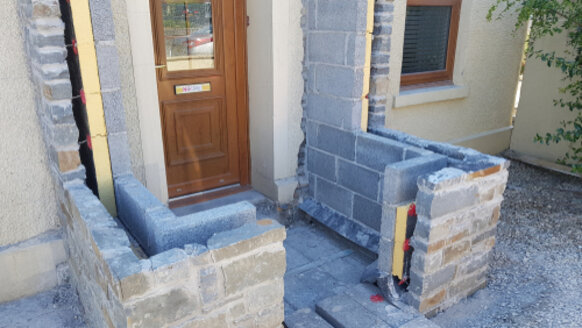
What Is a Solid Wall?
Solid walls are exactly what they sound like: brickwork with no cavity at all.
Typically, a solid wall is around 9 inches (225mm) thick, with bricks interlocking across the full width of the wall. These are most common in properties built before the 1930s.
Because there’s no cavity to fill, solid walls need a different insulation approach.
How Are Solid Walls Insulated?
Solid walls can be insulated in two main ways:
Internal Wall Insulation (IWI)
-
Insulation added to the inside of the property
-
Generally cheaper
-
Reduces internal room space
External Wall Insulation (EWI)
-
Insulation fixed to the outside of the building
-
More expensive upfront
-
Delivers better thermal performance
What Is External Wall Insulation (EWI)?
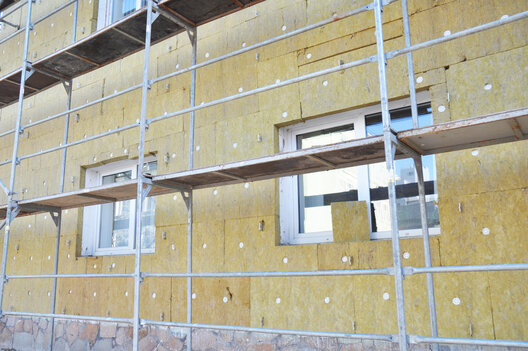
External wall insulation involves fixing insulation boards (typically EPS, mineral wool or phenolic boards) to the outside of your property. These boards are then secured with fixings and finished with a decorative, weather-proof render.
It’s a bigger investment than cavity wall insulation, with costs usually in the thousands rather than hundreds but the performance benefits are significant.
Is External Wall Insulation Better Than Cavity Wall Insulation?
In many cases, yes.
Unlike cavity insulation, external wall insulation isn’t restricted by cavity width or internal space. Insulation thicknesses can reach up to 200mm, delivering excellent thermal performance.
EWI can also:
-
Reduce thermal bridging
-
Improve airtightness
-
Refresh the appearance of the property
If you already have cavity wall insulation and want to push your home’s energy efficiency even further, external wall insulation can be a powerful upgrade.
Is Cavity Wall Insulation Right for My Home?
Not every cavity is suitable. Issues like existing damp, debris in the cavity or exposure to severe weather can affect performance.
That’s why a professional assessment is essential before installation.
Can You Install External Wall Insulation on a Cavity Wall?
Yes and it’s becoming increasingly popular for homeowners looking to maximise energy savings.
If you already have cavity wall insulation and want to take things further, we’ve covered this in detail in our dedicated guide:
“Can I Install EWI on a Cavity Wall?”
Choosing the Right Wall Insulation for Your Property
-
Cavity walls are common in UK homes built after the 1920s
-
Cavity wall insulation is affordable, quick to install and highly effective
-
Solid walls require internal or external insulation
-
External wall insulation offers the highest performance where budgets allow
The right solution depends on your wall type, property condition and energy goals.
Ready to Improve Your Home’s Energy Efficiency?
If you’re unsure what type of walls your property has or which insulation option is right for you a professional assessment is the best place to start.
Get in touch with our team today to find out how cavity wall insulation or external wall insulation could make your home warmer, more comfortable and cheaper to run.
Frequently Asked Questions About Cavity Walls and Insulation
Do all homes have cavity walls?
No. Most UK homes built after the 1920s have cavity walls, but older properties, particularly those built before the 1930s, are more likely to have solid walls. Some homes built during transitional periods may have a mix of wall types.
If you’re unsure, a professional survey is the most reliable way to confirm.
Can cavity wall insulation cause damp?
When installed correctly and in a suitable cavity, cavity wall insulation should not cause damp.
Problems usually arise when insulation is installed in:
-
Cavities that are already damp
-
Cavities filled with rubble or debris
-
Properties exposed to severe weather
This is why a proper pre-installation assessment is essential.
How long does cavity wall insulation last?
Most cavity wall insulation materials are designed to last at least 25–30 years, and often much longer when installed correctly. Modern materials do not settle or degrade in the same way older insulation sometimes did.
Is cavity wall insulation worth it?
For suitable properties, yes it’s widely considered one of the most cost-effective energy efficiency upgrades available.
Benefits include:
-
Reduced heat loss
-
Lower energy bills
-
Improved comfort
-
Quick installation with minimal disruption
Can I have cavity wall insulation removed?
Yes. If insulation has failed or is causing issues, it can be professionally removed and replaced with a more suitable material or the cavity can be left unfilled if necessary.
What’s the difference between cavity wall insulation and external wall insulation?
-
Cavity wall insulation fills the gap between brick skins
-
External wall insulation adds insulation to the outside of the property
External wall insulation typically delivers higher thermal performance, but costs more and involves more work.
Can I install external wall insulation if I already have cavity wall insulation?
Yes. Many homeowners choose to install external wall insulation on top of an already insulated cavity to further improve energy efficiency, reduce thermal bridging, and modernise the appearance of their home.
Do I need planning permission for external wall insulation?
In most cases, no but planning permission may be required if:
-
The property is listed
-
The building is in a conservation area
-
The external appearance will significantly change
Always check before starting work.
How do I know which insulation option is right for my home?
The best option depends on:
-
Your wall type
-
The condition of your property
-
Your budget
-
Your long-term energy goals
A professional assessment will identify the most effective and appropriate solution.